By salonpaymentprocessing December 9, 2025
One of the most annoying financial issues for salons is chargebacks. When a customer disputes a payment, the bank takes money out of the salon’s account, and all of the burden of proof suddenly shifts to the company. Even a few chargebacks can cause cash flow problems, waste hours of administrative effort, and harm a small or midsize salon’s reputation with payment processors.
Salon services are more subjective and highly personal than retail or e-commerce, which makes disagreements seem even more erratic. Instead of dealing with problems directly, customers may resort to their bank when expectations are not met or when communication fails. It takes more than just wishful thinking to reduce chargebacks; modern tools, clear regulations, and regular communication are all necessary.
Understanding Why Chargebacks Happen in Salons

Chargebacks in salons are typically caused by poor communication, hurried check-outs, misplaced expectations, or misunderstandings over costs or outcomes. A customer can feel that their color didn’t last, their haircut wasn’t what they wanted, or the stylist failed to adequately communicate an additional expense.
Customers may forget that they approved a charge, particularly for recurring subscriptions or deposits. When someone uses a stolen card or rejects a valid transaction to avoid paying, fraud is also involved. The first step in prevention is identifying these underlying causes. Although salons are unable to prevent all disputes, they may significantly lessen them by filling in the gaps that frequently cause customers to get frustrated or confused.
Why Chargeback Prevention Matters More Today
Customers may now challenge purchases more easily than ever thanks to digital payments. They may immediately reverse funds and challenge a charge with a single push on a banking app. This loss is instantly felt by salons with narrow profit margins. Chargebacks include bank fees and possible fines if dispute ratios are too high, in addition to taking away revenue.
Payment processors may even raise processing fees for salons that have a lot of disagreements. Chargebacks put owners and front desk staff under emotional stress in addition to financial pressure since they have to defend the argument with no proof. Prevention is now necessary to safeguard the salon’s image and financial viability.
Setting Clear Service Expectations From the Start
Chargebacks are mostly caused by misaligned expectations. When a client’s expectations are not met, there are frequently disagreements. Long before money is received, the solution starts during consultation.
Misunderstandings are greatly reduced when stylists take the time to clarify service constraints, maintenance needs, and attainable results. Transparency is produced via thorough discussions. Stylists have evidence to back up agreed-upon results, and clients feel heard.
In the event of a disagreement, the salon’s stance is strengthened by written notes, digital confirmations, before-and-after pictures, and customer signatures. A client is less likely to avoid contact and go directly to their bank if expectations are made explicit up front and there are fewer surprises later.
Transparent Pricing Eliminates Billing Confusion
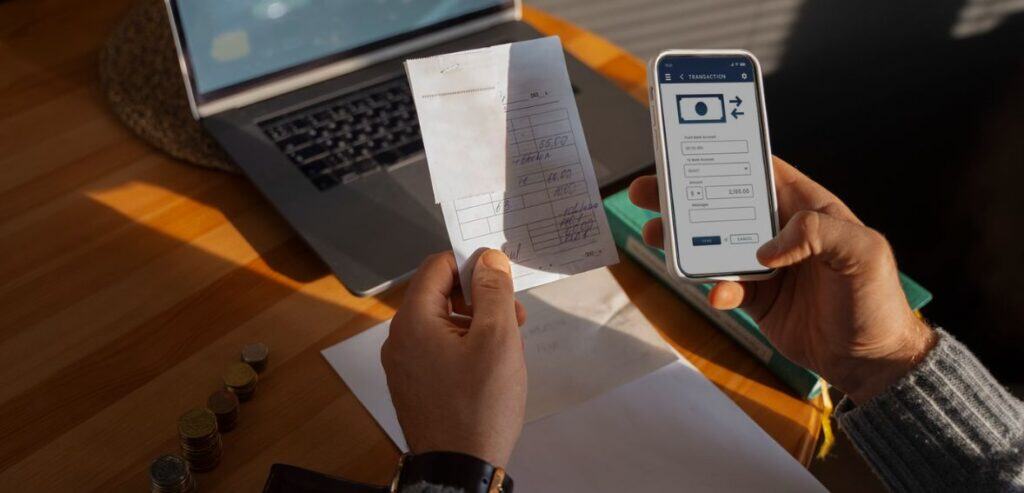
To prevent chargebacks, pricing clarity is crucial. By neglecting to clarify add-on prices, additional product charges, or surcharges for long or thick hair, many salons inadvertently cause problems. Customers may agree to the service but then contest the extra charge because they didn’t fully understand it. Confusion may be eliminated with the use of digital price menus, automated estimations, and upfront disclosures.
Clients feel more in control and are less inclined to contest the transaction later when they are aware of exactly what they will pay. Pricing should be straightforward, obvious, and unambiguous on the salon’s website, booking pages, and front desk. Transparency offers financial security in addition to excellent service.
Digital Intake Forms as a Chargeback Shield
One of the most effective methods for preventing chargebacks is the use of digital intake forms. Before treatments start, the salon can use these papers to obtain client acknowledgment, record allergies or hair history, gather consent, and verify comprehension.
Intake forms for chemical treatments show that the customer is aware of the possible hazards or that the outcome depends on the state of their hair before. These documents provide solid proof that the client accepted the service and its conditions in the event of a dispute.
When there is signed paperwork, banks frequently take the merchant’s side. Digital forms are essential for modern salons since they are simpler to keep, retrieve, and send during chargeback replies.
Using Deposits and Prepayments Wisely
In addition to lowering no-shows, properly structured deposits also lower chargebacks. Clients show commitment and financial approval when they make a deposit. Whether deposits are refundable, transferable, or forfeited for late cancellations must be made explicit by salons. The parameters of the deposit should be confirmed in writing or digitally for clients.
Evidence of a deposit agreement greatly supports the salon’s position in disputes. Additionally, deposits aid in weeding out bogus reservations and customers who are likely to contest costs. Deposits reduce friction and save income when they are handled clearly, protecting the company and the appointment schedule.
Improving Communication During the Appointment
Chargebacks frequently result from clients feeling ignored rather than from fraud. Misunderstandings may be prevented by maintaining constant contact throughout the service. Before making significant decisions like reducing length, putting color, or adding treatments, stylists should make sure that everyone agrees.
If more work is required, it should be explained before the service is rendered to avoid unexpected fees. Being involved in the process fosters trust and is appreciated by the clients. Charges are rarely contested by knowledgeable clients.
The possibility of a disagreement significantly decreases when there is clear communication and expectations are reiterated throughout the appointment. In the end, chargeback avoidance is based on continuous, clear communication.
Taking Before-and-After Photos for Protection
When fighting against issues about claims of discontent, photos are a valuable piece of evidence. The service rendered, the change attained, and the state of the skin or hair at each stage are all displayed in before-and-after documentation. The stylist’s professional choices are supported by these pictures.
Photos can show that the agreed-upon outcome was attained in situations when a customer claims the result was not provided. If they take a happy post-service shot, they additionally demonstrate that the client was satisfied. Merchants that provide visual proof are given significant preference by banks. When disagreements arise, digital images kept in client profiles facilitate recovery.
Payment Receipts and Digital Records Matter More Than Ever

Digital logs and receipts are now essential for chargeback defense in the age of contactless payments. The precise amount charged, the time and date, and the authorization mechanism are all verified by electronic receipts.
Customers often forget they authorized a payment or fail to recognize the salon’s name, which leads to disagreements. Modern tools like contactless payments further reduce confusion by creating clean digital records that are easy to verify during disputes.
These misunderstandings are decreased with clear receipts. Systems for salons should keep thorough records of every transaction and automatically provide receipts. A smooth record makes it easier for the salon to demonstrate that the charge was legitimate, approved, and communicated openly in the event of a disagreement.
Avoiding Payment Descriptor Problems
Uncertain payment descriptors are one of the most often disregarded reasons for chargebacks. A business name that differs from the salon name may confuse clients when they check their bank statements. For the simple reason that they don’t understand the allegation, they could contest it.
Salons need to make sure that their official company name or a recognizable abbreviation is included in the payment description. Clients can get in touch with you before contacting your bank if you include a phone number or website. By itself, a corrected description can avoid needless fights and protect important profits.
Strengthening Cancellation and No-Show Policies
By setting expectations up front, a robust cancellation policy helps avoid chargebacks. Booking pages, confirmation messaging, and salon signs should all display policies. Clients are less likely to contest late-cancel or no-show fines after receiving explicit warnings about them.
Verifiable evidence is provided by digital booking systems that demand that customers agree to these conditions. Due to inadequate documentation and communication of their regulations, many salons lose cases. When disagreements emerge, banks will find it simpler to decide in favor of the salon if the policy is clear and easily available.
Using Consent-to-Charge Agreements for Card-on-File
When customers contest fees for memberships, missed appointments, or upgrades, card-on-file convenience may backfire. Salons should utilize digital consent-to-charge agreements that outline when and why the card may be charged in order to avoid this. These contracts have to contain authorization terms, cancellation policies, and renewal dates.
Banks want to express consumer permission when problems arise. The salon’s best protection is a written contract. For salons that provide memberships, recurring services, or package plans, this tool is crucial. Recurring revenue is protected, and misconceptions are reduced with clear permission.
Fighting Friendly Fraud with Clear Policies
Friendly fraud, which occurs when customers contest valid charges, is on the rise in all service sectors. Some clients take advantage of the chargeback procedure in order to avoid payment or to voice complaints that weren’t voiced during the consultation. Digital signatures, documented discussions, and clear procedures greatly lower this danger.
Salons with documentation win more disputes when friendly fraud takes place. Although friendly fraud might be emotionally depressing, salons can react with confidence because of protocols and documentation. It’s not about distrusting customers; rather, it’s about being ready for the tiny portion of people who abuse the system.
How Staff Training Reduces Chargebacks
Staff communication abilities are crucial for preventing chargebacks. Front desk staff and stylists should be knowledgeable about regulations, pricing structures, intake processes, and how to politely clarify information when clients seem unsure. A well-trained team minimizes conflicts before they start.
Explaining costs, recording consultations, and addressing concerns immediately rather than letting them worsen should all be covered in training. Companies that spend money on training have fewer misunderstandings, fewer conflicts, and happier customers. The first step in preventing chargebacks is having knowledgeable, self-assured employees.
Role of Modern Salon POS Systems in Reducing Disputes

Digital receipts, intake forms, appointment records, time stamps, and comprehensive reporting are all provided by modern point-of-sale systems. The documentation procedure that banks need for chargeback disputes is automated by these solutions.
Additionally, they immediately incorporate policies into booking processes. Confusion is reduced when a client is given the appropriate information at the appropriate moment. POS systems identify inconsistent charges or duplicate transactions that may subsequently be contested.
These technologies improve the salon’s position in disputes and reduce human error for salons handling large quantities. Technology is becoming a business-protecting operational partner. Modern POS systems also help streamline salon payments by improving authorization accuracy and reducing the billing confusion that often triggers disputes.
Using SMS and Email Confirmations as Evidence
Reminders and confirmations of appointments are more than just a convenience; they are proof that the customer made a reservation and accepted the conditions of the salon. Proof of reminders and confirmations may have an impact on the bank’s judgment if a customer contests a charge associated with a no-show fee.
The customer was notified and acknowledged the appointment, according to these texts. Additionally, automated confirmations boost salon income by lowering no-shows. Long before the client shows up, message records also support openness and make expectations clear.
Why Post-Service Follow-Up Prevents Chargebacks
Chargebacks frequently happen when customers feel neglected following a service. A brief follow-up letter that inquires about their experience or offers care instructions lessens annoyance and promotes dialogue rather than conflict.
Customers are more inclined to contact the salon rather than their bank if something seems strange. Follow-ups show consideration and professionalism, which increases loyalty and lessens emotional responses that spark arguments. After the service, a simple gesture might help avoid expensive chargebacks in the future.
Using Payment Providers With Strong Dispute Support
The degree to which payment providers assist salons with chargebacks varies greatly. Some provide intelligent alerts, dispute dashboards, and automated evidence gathering. Some let retailers handle the procedure on their own.
Selecting a supplier with strong dispute resolution capabilities lowers labor costs and increases victory rates. By enhancing fraud detection and description clarity, the appropriate processor can even reduce dispute percentages. In terms of financial safety, a supporting supplier turns into a silent partner.
Long-Term Benefits of Reducing Chargebacks

The entire firm gains financially when salons are able to successfully lower chargebacks. Fees drop, profits level off, and cash flow stabilizes. Employees spend more time helping customers and less time compiling paperwork. As communication improves, customer connections get better.
Chargeback reduction boosts a company’s reputation and operational confidence in addition to its financial benefits. In addition to reducing risk and promoting long-term success, fewer disagreements eventually foster trust with processors. A salon that is well-protected runs with confidence and clarity.
Conclusion: Protecting Revenue While Preserving Relationships
Establishing clarity, communication, and documentation that promote positive relationships is the key to reducing chargebacks rather than approaching clients suspiciously. Clients feel appreciated and informed when policies are explicit, and expectations are clear.
This clarity is enhanced by technology, which guarantees that each transaction is supported by substantial proof. A salon’s risk of conflict is significantly decreased when it incorporates modern technology with effective communication.
The idea is to create an environment where stylists can concentrate on their creativity, clients can have trustworthy experiences, and owners can rest easy knowing that their earnings are secure.
FAQs
Why do chargebacks happen so frequently in salons?
Chargebacks often stem from unclear service expectations, pricing misunderstandings, dissatisfaction with results, or customers forgetting approved charges. Fraud and friendly fraud also play a role.
How can salons prevent chargebacks before they happen?
Clear communication, transparent pricing, detailed consultations, and digital intake forms help set expectations and create documentation that prevents disputes.
Do deposits and prepaid appointments help reduce chargebacks?
Yes. Deposits show upfront customer agreement, discourage no-shows, and provide strong evidence when clients dispute a charge.
Can before-and-after photos help win chargeback disputes?
Absolutely. Photos document the condition of the client’s hair or skin before and after the service, offering strong proof that the agreed-upon result was delivered.
Which tools help salons manage and fight chargebacks more effectively?
Modern POS systems, digital consent forms, automated receipts, clear policies, and dispute-supportive payment processors all strengthen a salon’s ability to prevent and resolve chargebacks.